
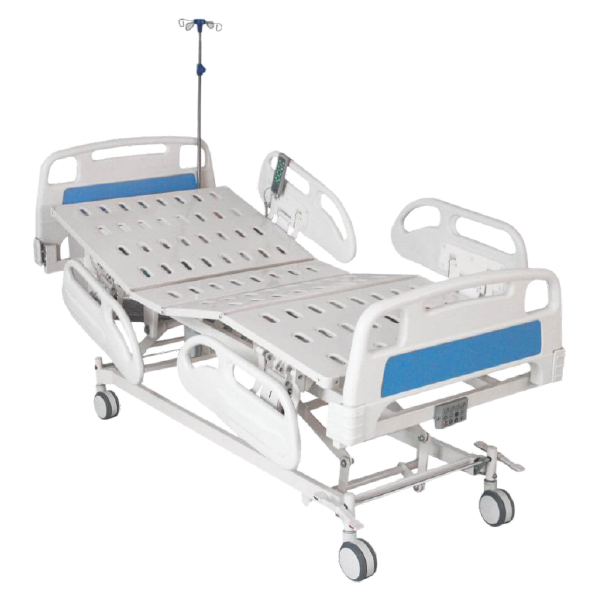
Hospital facilities require proper setup, and that doesn’t end with test labs, diagnosis machines & equipment, surgical tools, or ventilators. For a patient, hospital furniture is as essential as the above-mentioned equipment and surgical tools. From waiting areas to patient rooms and operating theatres, furniture plays a major role in offering comfort and safety to patients. But often hospitals are found ignoring the same and using outdated or worn furniture for several years. As experienced hospital furniture manufacturers, we believe that recognizing the right time to upgrade hospital furniture can help improve both patient care and staff efficiency.
That is why, through this blog, we are sharing a few signs that your hospital furniture needs an upgrade. It will not only help you know when to replace or upgrade your furniture, but will also help you find better and advanced hospital furniture that offers more comfort to both patients and doctors.
Visible wear and reduced comfort are affecting patient experience
One of the major signs that hospital furniture needs an upgrade is visible wear. Cracked surfaces, peeling fabric, unstable beds, or uncomfortable seating can quickly impact how patients feel during their stay. We often observe that patients associate physical discomfort with poor overall care, even if medical treatment is excellent. When furniture no longer supports proper posture or lacks cushioning, recovery becomes harder, and stress levels rise. We understand that comfort is not a luxury in healthcare settings; however, it is a necessity. Modern furniture designed by reliable hospital furniture manufacturers focuses on functional design, easy adjustability, and patient-friendly materials. If patients or visitors hesitate to sit or lie down comfortably, it is a strong signal that replacement should be considered.
Hygiene and infection control are becoming a challenge
Hospitals require furniture that supports strict hygiene standards. Older furniture often has joints, fabrics, or surfaces that are difficult to clean thoroughly. Over time, this can increase the risk of infections and make daily sanitization more labor-intensive for staff. We have noticed that when maintenance teams struggle to keep furniture clean despite regular efforts, the furniture itself has become part of the problem. Upgraded hospital furniture uses advanced materials that resist moisture, stains, and microbial growth. Being one of the leading manufacturers, we design solutions that make cleaning quicker and more effective without compromising durability. If hygiene checks frequently highlight furniture-related concerns, it is a clear sign that an upgrade is overdue.
Staff efficiency is being affected during daily operations
Hospital furniture does not serve patients alone. Doctors, nurses, and support staff rely on it throughout their shifts. When trolleys are hard to maneuver, beds do not adjust smoothly, or storage units are poorly designed, workflow suffers. We have seen how small inefficiencies add up, increasing physical strain and slowing down routine procedures. Modern furniture is designed to support medical teams with better mobility, smoother mechanisms, and smarter layouts. Trusted manufacturers focus on reducing manual effort and improving accessibility. If staff frequently report discomfort, delays, or difficulty in using existing furniture, upgrading becomes an investment in productivity and well-being.
Conclusion
Recognizing these signs early helps prevent larger issues related to patient satisfaction, hygiene, and staff efficiency. Upgrading hospital furniture is not only about appearance, but also about improving overall care quality and operational performance. At MEDILAB TECHNOCRACY, we work closely with healthcare providers to deliver reliable solutions in the form of high-quality hospital furniture. Being one of the top hospital furniture manufacturers, we ensure that every furniture upgrade adds lasting value to your facility to offer better care and comfort to patients.